How much of everything a party actually needs
Forty guests, four hours, and the six numbers that decide whether the evening runs smoothly or somebody is rinsing cups at nine.
- Everything follows from one number, and it is not the guest count
- The shape of the evening matters more than its length
- The quantities, by guest count
- Drinks: the multiplier nobody applies
- The food, and the only rule here that is not ours
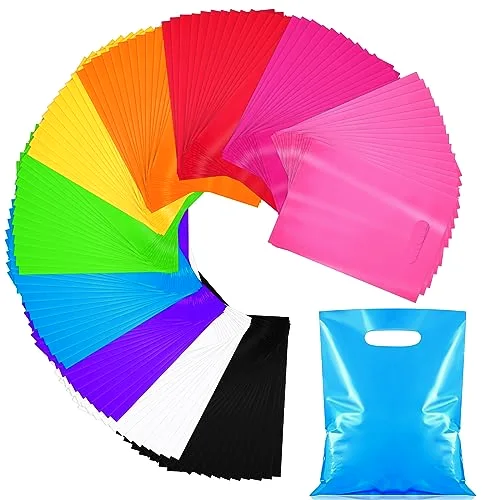
- Favours: one each, one spare, and one decision
- Decoration: how much garland a room actually takes
- What to over-order and what not to
- What doing it properly actually costs per head
- The four things we watch people get wrong
- Doing this with your own numbers
Every gathering runs short of exactly one thing, and it is almost never the food. It is napkins, or cups, or the small paper item that seemed like an afterthought when the list was written. The host notices at about the two hour mark, and from then on a part of their attention is permanently elsewhere.
This is avoidable, and the way to avoid it is boring: work the numbers out before you shop rather than during. We supply a lot of these events, and the arithmetic below is what we have settled on. It is not a standard and nobody has certified it. It is a set of ratios that have stopped us being wrong very often, and every one of them is written down here so you can argue with it.
Everything follows from one number, and it is not the guest count
The guest count is the obvious input and it is only half the answer. The number that actually drives consumption is guests multiplied by hours, because almost everything on a party table is consumed at a rate rather than in a lump.
A person at a two hour christening uses one cup. The same person at a six hour wedding uses four, because they put one down on a windowsill, took a fresh one at the bar, left that one on a table when they went outside, and started again after the speeches. Nobody does this deliberately and everybody does it.
So the working figure is a base per guest plus an increment per hour beyond the first two. Everything in the table further down is built that way, and the planner on our front page does the same sum with your numbers in it.
The host who runs out is not the host who invited too many people. It is the host who bought for the guest list and forgot about the clock.
What we tell people who call us the week before
The shape of the evening matters more than its length
Four kinds of event, four completely different consumption patterns, and the difference between them is larger than most people expect.
A sit-down meal is the most economical. People arrive, sit, and stay at one place setting with one glass for most of the evening. Plate use is close to one each, cup use is low, and cutlery is exactly what you laid out.
A buffet changes the plate number more than anything else, because a proportion of the room will take a clean plate for the second course and another clean one for pudding. A standing drinks party inverts the whole picture: plates barely matter, napkins matter enormously, and cups run away from you.
A children's party is its own category and the multipliers are all higher, for reasons any parent can supply without prompting.
| Sit-down meal | Buffet | Drinks and canapés | Children's party | |
|---|---|---|---|---|
| Cups per guest | Low | Normal | Highest | High |
| Plates per guest | One | One and a half | Half | Over one |
| Napkins per guest | Two | Three | Three or four | Four plus |
| Cutlery per guest | One set | One set | Almost none | Under one set |
| What runs out first | Nothing, usually | Plates | Napkins | Everything |
The quantities, by guest count
This is the table to photograph and take shopping. It assumes a four hour buffet, which is the most common shape of event we supply, and it already includes the spare margin discussed further down. If your evening is shorter, take the next size down; if it is a standing drinks party, add a third to the cups and napkins.
| Guests | Cups | Plates | Napkins | Cutlery sets | Favours |
|---|---|---|---|---|---|
| 10 | 25 | 15 | 35 | 12 | 11 |
| 20 | 50 | 30 | 70 | 24 | 22 |
| 30 | 75 | 45 | 105 | 36 | 33 |
| 40 | 100 | 60 | 140 | 48 | 44 |
| 60 | 150 | 90 | 210 | 72 | 66 |
| 80 | 200 | 120 | 280 | 96 | 88 |
| 100 | 250 | 150 | 350 | 120 | 110 |
| 150 | 375 | 225 | 525 | 180 | 165 |
Two things about that table are worth saying out loud. The napkin column is the one people disbelieve, and it is the one we are most confident about: three and a half per guest over four hours is not generous, it is observed. And the favour column is guests plus ten per cent, which sounds like superstition and is not: somebody brings a partner, somebody brings a child, and one favour gets stepped on.
Drinks: the multiplier nobody applies
Cup arithmetic is where the biggest single mistake happens, and it happens because people count drinks rather than cups. Those are different numbers, and the gap between them widens with every hour.
A guest at a four hour party might genuinely drink four glasses of something. They will use somewhere between six and eight cups to do it, because a cup is abandoned every time its owner moves rooms, joins a different conversation, or puts it down to hold a plate. Anybody who has cleared up after an evening knows the ratio; almost nobody applies it when shopping.
If you want one rule rather than a table: buy two and a half cups per guest for anything over three hours, and buy the same number again if there are children present.
The food, and the only rule here that is not ours
Everything above is a planning ratio we arrived at by supplying events. The next paragraph is not. It comes from a federal agency, it is specific, and it is the one thing on this page worth putting in your phone before an event rather than reading once.
What that means for a four hour party is more practical than it first sounds. It does not mean you cannot have a four hour party. It means the food on the table at hour one should not be the same food on the table at hour four. Put out half, keep half cold, and swap at the two hour mark. That single habit is worth more than any quantity on this page.
Favours: one each, one spare, and one decision
The favour is the item where hosts most often overspend and most often underbuy, in that order. Overspend because a favour feels like the part of the evening that represents you, and underbuy because the count is set to the invitation list rather than to the room.
The useful reframe is that a favour has a job, and the job is small: it says the host thought about the guest individually. A tin of something, a bag with a name on it, a small object that is not immediately thrown away. Whether it cost forty cents or four dollars is invisible within about a minute of being handed over.
So the arithmetic is: guests plus ten per cent, and spend what is left after the things that actually get used. If the choice is between a better favour and enough napkins, the napkins win every time and it is not close.
Decoration: how much garland a room actually takes
Decoration is measured in feet rather than in pieces, and the useful conversion is roughly a foot of garland per guest for a room that reads as decorated without looking like a shop window. A party of forty wants somewhere around forty feet across all its runs, which is less than most people buy and better placed than most people place it.
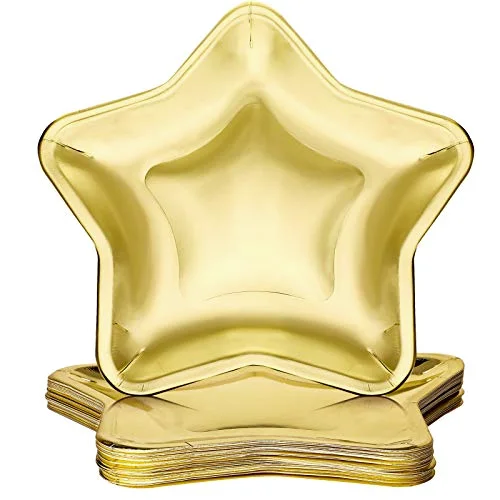
The placement rule matters more than the quantity. Three long runs at different heights read as considered. Fifteen short runs read as anxious. If you have bought a hundred and thirty feet of star garland, which is a size we sell because it covers a hall, the answer is not to use it all in one room.
| Room | Guests | Garland | Runs |
|---|---|---|---|
| Kitchen and hallway | 10 to 20 | 15 to 20 ft | Two |
| A single reception room | 30 to 40 | 35 to 45 ft | Three |
| Two connected rooms | 50 to 70 | 60 to 80 ft | Four to five |
| A hall or marquee | 100 plus | 120 ft and up | Six or more, at height |
What to over-order and what not to
Not everything deserves a margin. Over-ordering has a real cost even when the item is cheap, because the surplus has to live somewhere for a year, and a cupboard of surplus is how households end up buying things they already own.
The test is whether the item keeps and whether it is generic. Napkins keep indefinitely and go with anything: over-order freely. Cups the same. Plain favour tins, yes. A banner that says "Sarah is 40" keeps perfectly and is useful exactly once, so buy that one to the count.
| Item | Margin | Reason |
|---|---|---|
| Napkins | Buy well over | Keeps forever, matches everything, always short |
| Cups | Buy over | Keeps, generic, consumption is underestimated |
| Plates | Buy slightly over | Keeps, but bulky to store |
| Cutlery | Buy to count plus a fifth | Keeps, rarely the shortfall |
| Plain favour containers | Buy over | Keeps, reusable for the next occasion |
| Dated or named decoration | Buy exactly | Useful once, then it is rubbish |
| Themed tableware | Buy exactly | The theme will not repeat |
What doing it properly actually costs per head
The reason we sell in the quantities we do is that the arithmetic changes character at scale, and it is worth seeing that in money rather than in principle.
Take a party of forty. The table above says a hundred cups, sixty plates, a hundred and forty napkins, forty eight cutlery sets and forty four favours. Bought as small packs from a supermarket, that is a trip, several packs of each, and a per head cost for tableware and favours that lands somewhere between three and five dollars.
Bought as the pack sizes in party & celebration and kitchen & table, the same list comes in under two dollars a head, and about half of what you buy is still in the cupboard for the next one. The saving is not the point on its own. The point is that the surplus is what stops the next party being a shopping trip at all.
The four things we watch people get wrong
- Counting drinks instead of cups. The gap is a factor of two, and it opens up after hour three.
- Buying napkins to the guest count. Three per guest is a floor, not a ceiling.
- Putting all the food out at the start. The two hour window is the constraint, not the size of the table.
- Spending the decoration budget on quantity rather than on placement. Three long runs beat fifteen short ones, and cost less.
None of those is a mistake of taste. They are all arithmetic, which is the good news, because arithmetic can be done the week before instead of discovered at nine in the evening.
Doing this with your own numbers
The planner on the front page of Patelai takes a guest count, an event shape and a duration, and produces the same table with your figures in it. It also points at whichever pack in the catalogue covers each row at the lowest price per piece, and where we do not make the thing at all it says so plainly rather than substituting something adjacent.
If the numbers it gives you look high, that is the intended reaction. Compare them against the last event you hosted and the thing you ran out of.
What a pack of a hundred is actually worth, and when buying in bulk is the wrong answer, is worked through in What a pack of a hundred is actually worth. If the event involves making something rather than buying it, How much material a making project actually eats covers the other half.